

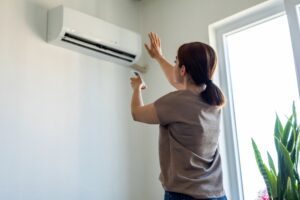
 Poor ventilation remains a leading overlooked (and financially damaging) issue in rental properties. If the atmosphere is stagnant, moisture intensifies, finishes rot more quickly, and maintenance costs subtly rise. For property owners, gaining knowledge on proper ventilation maintenance and identifying airflow issues soon can prevent costly repairs, maintain market value, and optimize renter satisfaction, well before tangible wreckage appears.
Why Ventilation Is a Bigger Issue Than Most Landlords Realize
Indoor ventilation is one of those maintenance zones that is often forgotten. That is, until an evident crisis arises, such as mold or persistent odors. However, rental property owners would be wise to include ventilation on their maintenance checklists. That is because interior circulation reaches nearly every setup in a rental property, from walls and flooring to HVAC performance. When circulation is stalled, moisture remains behind. Gradually, that trapped moisture develops into the underlying cause of several “perplexing” maintenance issues that can fast become high-priced headaches. Essentially, strong indoor ventilation provides way more than better atmosphere. It also:
- Controls indoor humidity
- Prevents moisture buildup
- Reduces odors and airborne pollutants
- Protects building materials from deterioration
Given this, rental ventilation maintenance is an essential anticipatory strategy that reduces wear and tear and keeps your property easier to maintain.
Common Signs of Poor Ventilation
A primary cause why ventilation is often overlooked during maintenance checks is that diverse ventilation faults begin without notice. But being aware of the warning signs helps you catch these problems before they graduate into expensive repairs.
Essential warning signs to track include:
- Condensation inside windows or on interior walls
- Musty or stale interior odors
- Mold or mildew spots in bathrooms or closets
- Interior paint peeling or bubbling
- Excess indoor humidity in the air
Seeing one or more of these hallmarks often reveals underlying airflow issues that will not resolve without addressing ventilation throughout the property.
The Hidden Financial Costs of Poor Ventilation
The profit-and-loss view of ventilation problems in a rental property frequently presents as increased maintenance and repair charges. Specifically, lack of airflow can damage the building in these major routes:
- Moisture Damage to Walls, Floors, and Ceilings: Excess moisture causes warped flooring, decaying borders, marked ceilings, and sagging sheetrock. These fixes add up at once and often recur if air movement isn’t fixed.
- Increased Maintenance and Repair Expenses: Poor ventilation fosters a rhythm of makeshift repairs. Covering over damp spots, swapping out ruined materials, or cleaning frequent mold becomes routine rather than preventive.
- HVAC Strain and Higher Utility Costs: When air doesn’t circulate properly, furnaces and ACs work overtime to monitor temperature and humidity. This degrades equipment lifespan and increases energy consumption.
Poor ventilation also changes tenant longevity, with financial consequences for property owners. Renters usually see ventilation problems long before the office does, noticing issues like heavy air, funk, and mold accumulation. These problems all strip away comfort and can invite health concerns. If a tenant is concerned with the air quality inside their rental home, they won’t want to renew. That brings about high turnover and vacancies, plus diminished rental revenue.
Practical Ventilation Improvements for Rental Properties
The helpful tip for rental property owners is that successful solutions for poor ventilation do not regularly require complex upgrades. Various budget-friendly fixes that can improve indoor air flow in a rental property include:
- Ensuring bathroom and kitchen exhaust fans are clean and work suitably
- Improving attic and crawlspace airflow by means of better vents and ducts
- Regularly inspecting and cleaning vents and ductwork
- Ensuring windows can open, remain properly filtered, and provide sufficient airflow
- Proactively addressing other issues, as needed
To wrap up, integrating rental ventilation maintenance within your standard facility tasks will help protect your property and cash flows, and block trivial concerns from becoming large-scale projects.
Improved Ventilation Is Preventive Maintenance That Pays Off
Rental property ventilation can be out of the spotlight, yet it should never be overlooked. Addressing airflow issues in your properties swiftly can contribute to lower renovation totals, stretch the lifespan of vital machinery, and secure a healthier living environment for your occupants. Because of this, for landlords, good ventilation isn’t a drain: it’s an investment.
Are you a renter looking for a healthier, more comfortable living environment? Poor breathability can impact each element from air quality to your day-to-day comfort. At Real Property Management Priority, we are passionate about helping renters find homes that are strictly maintained and aimed at their fitness. Browse our available rentals in Dutchess County or speak with us at 845-363-6776 today and make the move toward a sanctuary that truly sustains you.
This content is provided for general informational and educational purposes only and does not constitute financial, legal, tax, or investment advice. Readers should consult with licensed professionals regarding their specific circumstances.
We are pledged to the letter and spirit of U.S. policy for the achievement of equal housing opportunity throughout the Nation. See Equal Housing Opportunity Statement for more information.
